
দেশদ্রোহিতার চার্জশিট নিয়ে হাঁফাতে হাঁফাতে পুলিশ ঢুকল আদালতে
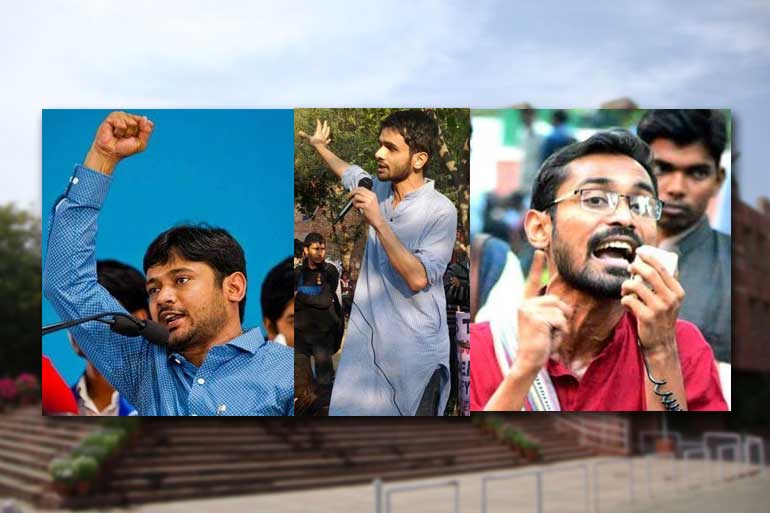
জওহরলাল নেহরু বিশ্ববিদ্যালয়ের ছাত্র আন্দোলনের ২০১৬ সালের একটি ঘটনার পরিপ্রেক্ষিতে তিন বছর পর কানহাইয়া কুমার, উমর খলিদ সহ ১০ জনের বিরুদ্ধে দিল্লি পুলিশ যে দেশদ্রোহিতার অভিযোগ এনে চার্জশিট জমা দিয়েছে আদালতে, তা আসলে কণ্ঠরোধের চেষ্টা কি না, তা নিয়ে প্রশ্ন উঠেছে। এই চার্জশিটকে ইতিমধ্যেই সুপ্রিম কোর্টের প্রাক্তন বিচারপতি, প্রেস কাউন্সিলের প্রাক্তন চেয়ারম্যান মার্কেণ্ডেয় কাটজু বেআইনি বলে মন্তব্য করেছেন তাঁর ফেসবুক পোস্টে। তিনি লিখেছেন, “The right to free speech is guaranteed by Article 19(1)(a) of the Constitution of India. No doubt some restrictions can be placed on this right, but the question is whether prohibiting anti-India slogans or demand for azadi would be a valid restriction? I submit it would not, for the reasons given below.
The US Supreme Court in Brandenburg vs Ohio, 1969 (see online) observed "The Constitutional guarantee of free speech does not permit the state to forbid or proscribe the advocacy of the use of force or law violation except where such advocacy is directed to inciting or producing imminent lawless action, and is likely to produce such action". Thus, this decision has laid down the 'imminent lawless action' test.
This decision of the US Supreme Court was followed by the Indian Supreme Court in 3 of its own decisions viz Arup Bhuyan vs State of Assam ( see online ), Sri Indra Das vs State of Assam ( see online ) and Govt. of Andhra Pradesh vs P. Laxmi Devi (see online para 79). Thus, it has become the law of the land in India too.
Surely mere raising anti-India or azadi slogans does not amount to inciting or producing imminent lawless action.
Many people in India demand azadi and raise slogans for it e.g. Khalistanis, Kashmiris, Nagas etc. This by itself is no crime. It becomes a crime if one goes further and (1) commits violence (2) organises violence, or (3) incites to imminent or immediate violence. That has not been done by these students, even if one disapproves of the slogans, and even assuming they raised such slogans or incited others to raise them.
Your Honour is bound by the aforementioned Supreme Court decisions, and is therefore requested to reject/quash the said chargesheets”.
ঠিকই, আদালতই এই ঘটনার বিচার করবে। তবে, দিল্লি পুলিশ রাষ্ট্রদ্রোহিতা বিরোধী আইনটিকে এবং তার বিপজ্জনক প্রয়োগের বিষয়টিকে ফের আলোচনায় ফেরালো। এই আইন নিয়ে আগেও অনেক কথা হয়েছে। ইংরেজের তৈরি এই আইন যে গণতান্ত্রিক দেশে অচল, সে কথা আগেও বহু বার স্বীকার করেছে নাগরিক সমাজ। সুস্পষ্ট ভাবে হিংসায় প্ররোচনা, দেশদ্রোহে সক্রিয় ভাবে সংগঠিত করা, হিংসাত্মক কাজে জড়িয়ে পড়ার মতো ঘটনা ঘটলে তবেই তা দেশদ্রোহ। এই মত ১৯৬২ সালে দিয়েছিল দেশের শীর্ষ আদালত।
কানহাইয়া কুমাররা যে আন্দোলন করেছিলেন, তা তিন বছর আগে। এমন কোনও নজির কি আছে যা থেকে বলা যায় ওই ঘটনার পর কানহাইয়া কুমারের ‘আদর্শে’ বিশ্বাসীরা কোনও হিংসাত্মক ঘটনা ঘটিয়েছে? মার্কসবাদী বই-পত্রে লেখা থাকে রাষ্ট্র ক্ষমতা দখলের কথা। মাও জে দং-এর বইয়ে লেখা থালে গণ ফৌজ তৈরি করে রাষ্ট্র দখলের কথা। সেই বই বিক্রি করা বা বাড়িতে রাখা দেশদ্রোহিতা? তাহলে তো ‘কারার ওই লৌহ কপাট, ভেঙে ফেল কররে লোপাট’ গাইলেও পুলিশ ধরবে এর পর! ইন্দিরা গান্ধীর জরুরি অবস্থার সময়, ‘চিত্ত যেথা ভয় শূন্য, উচ্চ যেথা শির’ গানটিও খবরের কাগজে প্রকাশ করতে দেওয়া হয়নি। আমরা কি সেই দিকে হাঁটছি ধীরে ধীরে? ছবিতে দেখা গেল, ট্রাঙ্ক ভর্তি ১২০০ পাতার চার্জশিট নিয়ে হাঁপাতে হাঁপাতে পুলিশ আদালতে ঢুকছে। বোঝা গেল দেশদ্রোহিতার চার্জশিট লিখতে কম পরিশ্রম হয়নি।